Do Pimple Patches Actually Work?
Everything You Need To Know About Patches For Blemishes And Acne
Remember when we would do absolutely anything to hide a pimple? Layers of makeup, strategic hairstyles, praying no one would notice? Well, that era is over. This generation is doing the exact opposite. Instead of concealing breakouts, they’re openly wearing them, literally. Pimple patches have become the new normal, and people are proudly walking around with little stickers on their faces. So the next time you see someone with a pink star on their chin or a blue cloud on their forehead, it’s probably not a quirky fashion choice. It’s a pimple patch, covering a blemish and helping it heal at the same time.
Curious about which patch to pick or how to use it? Let’s break down everything you need to know about pimple patches:
How Does a Pimple Patch Work for Blemishes?
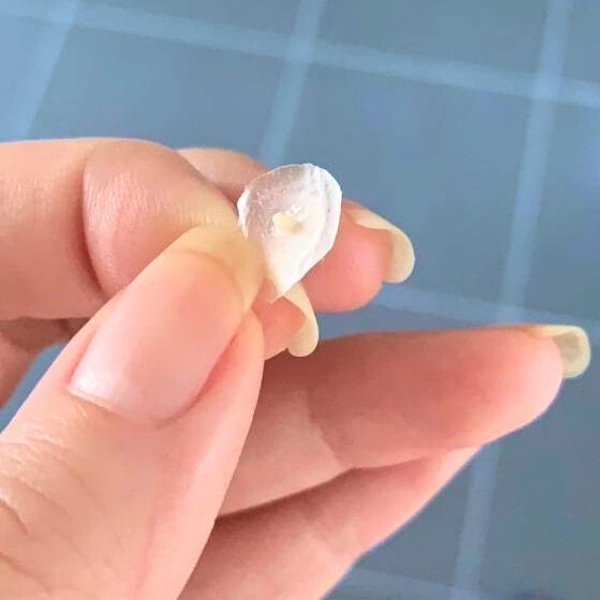
Pimple patches work by targeting the excess fluid inside a zit to draw out pus and oil from the pimple. Most patches for blemishes and acne are made of hydrocolloid, a sticky gel-like material that forms a barrier to pull out dirt and bacteria. Think of it as a tiny, moisture absorbing sponge in a thin, flexible sticker. It also keeps the problem area slightly moist, which can actually help the pimple heal smoother, and reduce redness. Others are medicated with acne fighting ingredients, known to help reduce inflammation and redness. It also stops you from touching or picking at it, which is a huge part of healing faster.
How to Use Hydrocolloid for Pimples
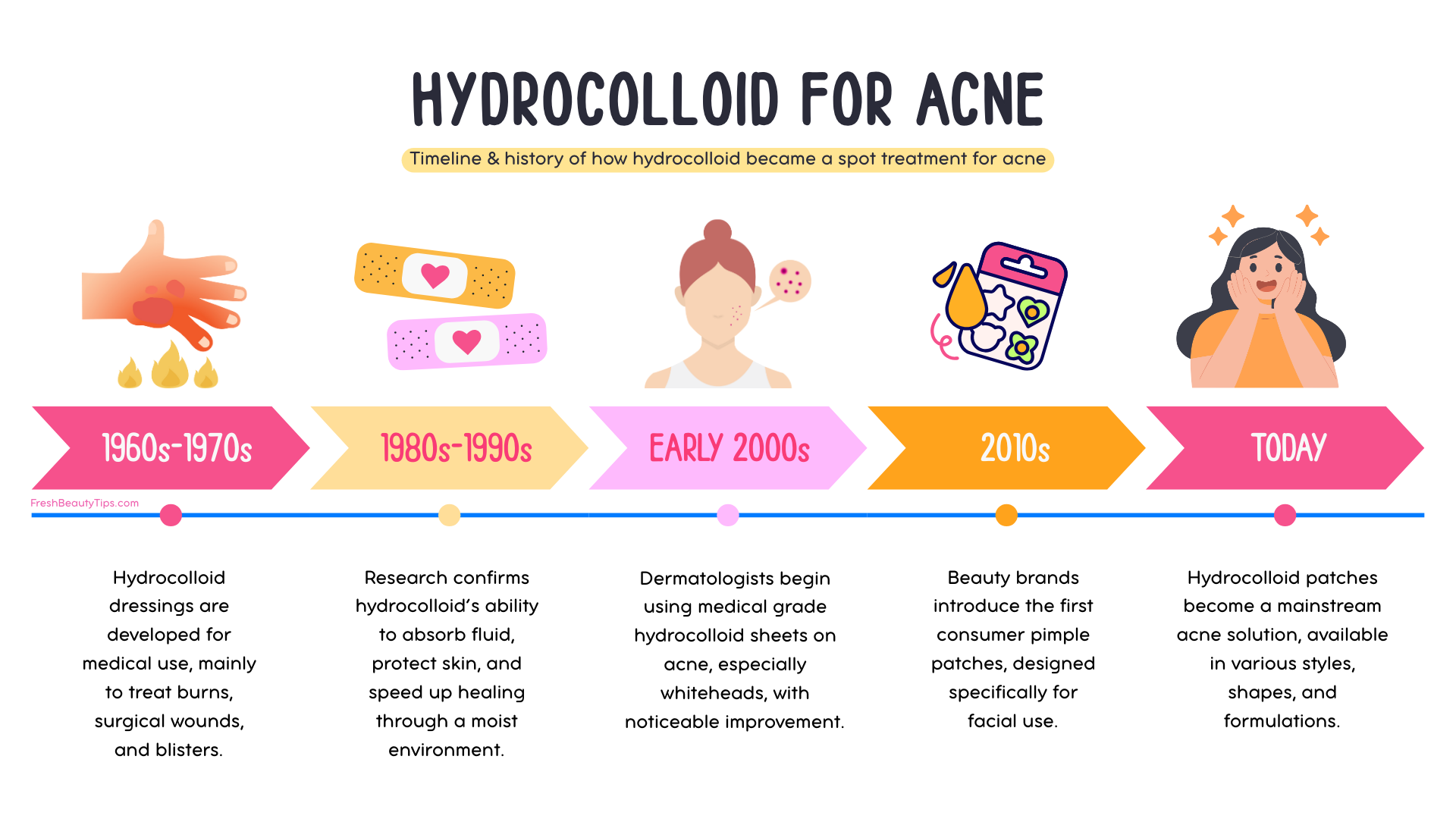
For anyone looking to shorten the lifespan of an unwanted pimple, grab the hydrocolloid. Originally developed for wound care, hydrocolloid dressings were designed to help heal burns, blisters, and surgical wounds by creating a moist environment that accelerates skin repair. Dermatologists and skincare innovators realized that the same properties that help wounds heal could also work on pimples. Early experiments with hydrocolloid for acne were largely anecdotal, but over time companies adapted the material into small, thin, flexible stickers that are comfortable to wear on the face, discreet, and easy to use. Needless to say, hydrocolloid pimple patches are gentle, non irritating, and amazing at accelerating healing without harsh chemicals.
Different Types of Pimple Patches
If you’ve ever noticed a zit and immediately wondered what type of pimple patch should I use, you’re not alone. The market is full of options: tiny clear dots, star shapes, medicated patches, even rolls you can cut to size. We’re here to help you choose the right patch for the right blemish, plus what to watch for and our top picks. Knowing more about the ingredients and purpose of each type of pimple patch can make all the difference when trying to speed up healing and reduce irritation.
Main Difference: Ingredients
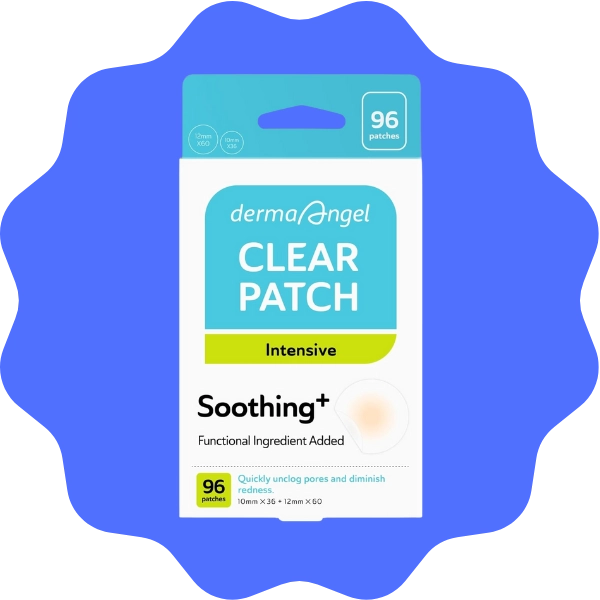
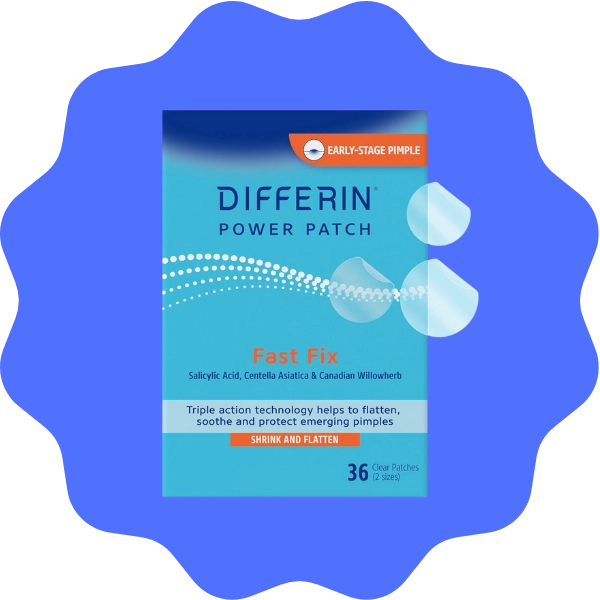
The primary distinction between pimple patches is whether they are medicated or non-medicated. Medicated patches contain active acne fighting ingredients like salicylic acid or benzoyl peroxide. These ingredients help target the bacteria and inflammation that cause pimples, which can make them more effective for stubborn or inflamed blemishes. Non-medicated patches, on the other hand, do not contain any active drugs. They rely entirely on the hydrocolloid material to absorb pus and oil, reduce friction, and protect the pimple from external irritation.
It’s also worth clarifying what “medical grade” actually means when it comes to pimple patches. This term can be confusing because it doesn’t automatically mean the patch contains medicine. Instead, it refers to the quality, sterility, and purity of the hydrocolloid material itself. Medical grade hydrocolloid patches are made under strict manufacturing standards, ensuring they are hypoallergenic, safe for sensitive skin, and effective at drawing out fluid and protecting the blemish. Using a patch with high quality hydrocolloid can make a noticeable difference in healing speed, even if it’s non-medicated.
Choosing Between Medicated & Non-Medicated Treatments
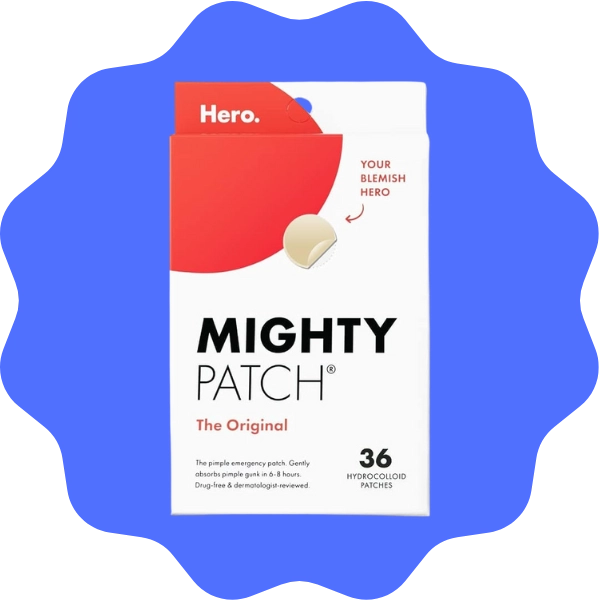
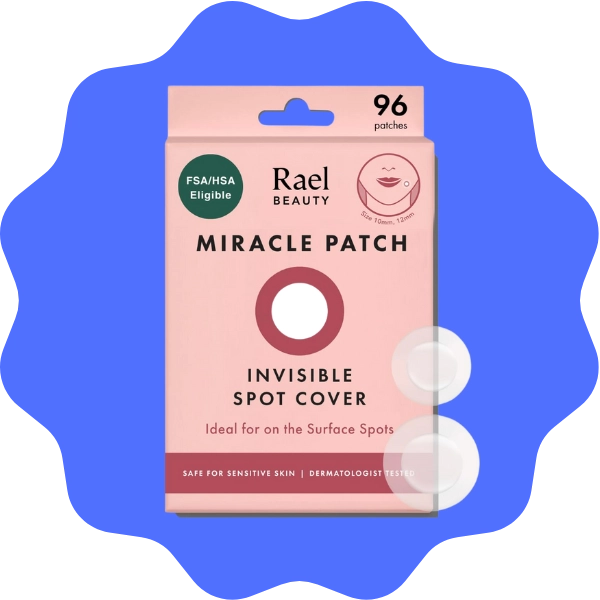
Deciding which type of pimple patch to use comes down to your blemish type, how inflamed it is, and your skin sensitivity. Non-medicated patches are ideal for surface level pimples like whiteheads that have already come to a head. They work by gently absorbing pus and oil while protecting the pimple from friction, bacteria, and the temptation to pick. Because they contain no active ingredients, they’re gentle on sensitive or dry skin and won’t cause irritation.
Medicated patches are designed for more stubborn or inflamed blemishes. These patches combine the hydrocolloid barrier with active ingredients such as salicylic acid or benzoyl peroxide, helping to reduce swelling, fight bacteria, and accelerate healing. They are especially useful if you notice a pimple that’s painful, red, or slowly coming to a head.
When choosing a patch, also consider size, shape, and adhesion. Some patches are extra large to cover bigger blemishes or multiple spots, while others are smaller for precise application. Stickiness is important too, you want a patch that stays in place on areas like the jawline or cheeks, which tend to peel off. Different brands offer options for everyone, and we love that so many of them are focusing on safe ingredients, like they do in trending Korean skincare.
Medicated
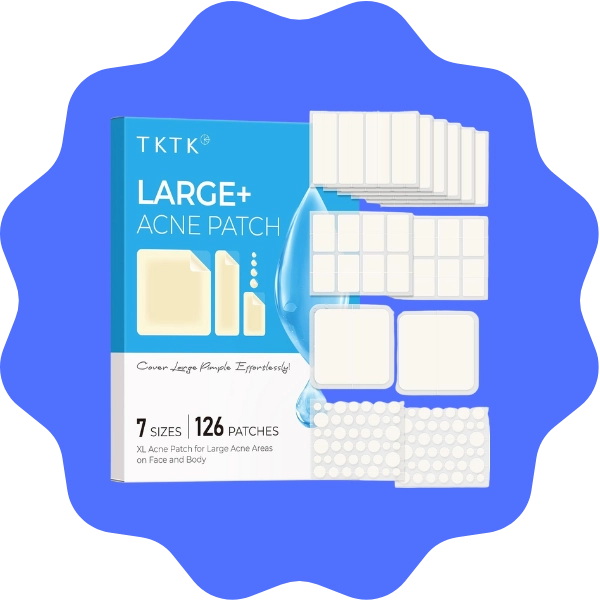
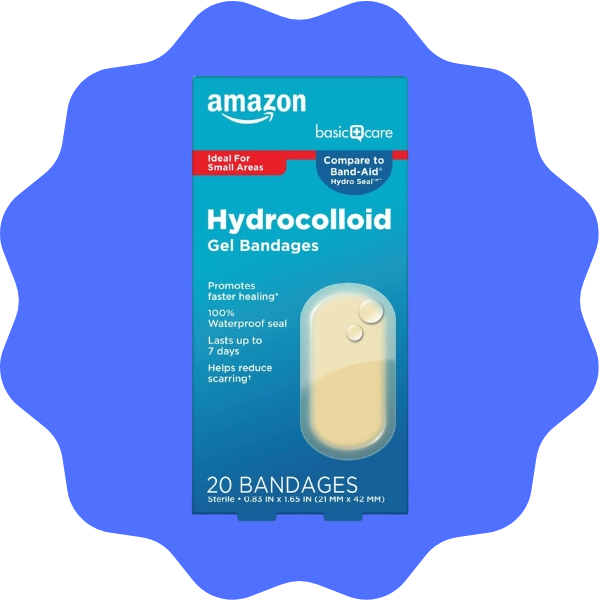
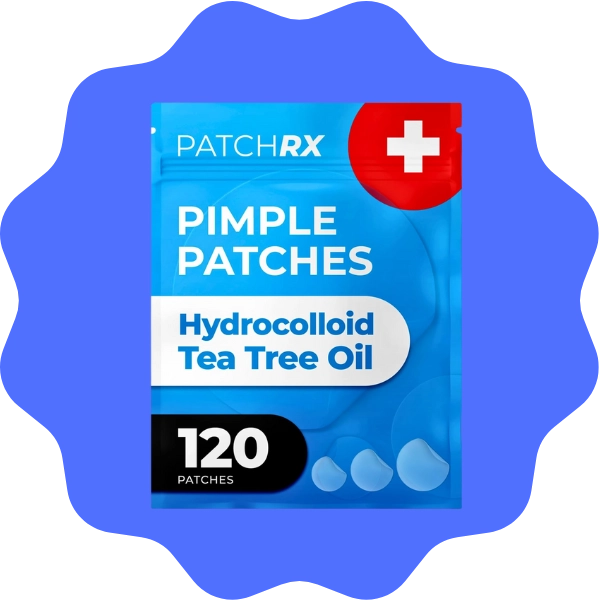
✨ Fresh Beauty Tip ✨
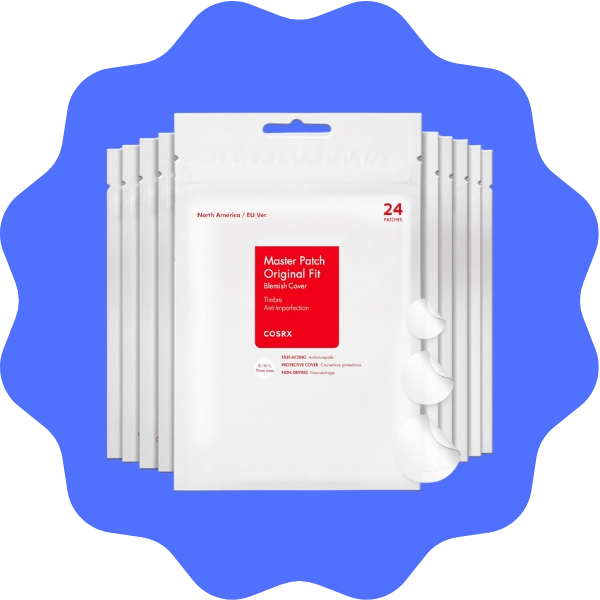
If you want to control the size of the patches, or just want to have bulk, you can use a hydrocolloid bandage roll. The bandage absorbs moisture well, pulling gunk out overnight. This roll is one of our top recommendations. They are not always as flat or thin as a traditional pimple patch, but their effectiveness works exactly the same.
How to Use a Pimple Patch the Right Way
Believe it or not, there is a right way and a wrong way to use a pimple patch. To avoid spreading bacteria or slowing the healing process, follow these 5 easy steps to properly apply a hydrocolloid acne patch.
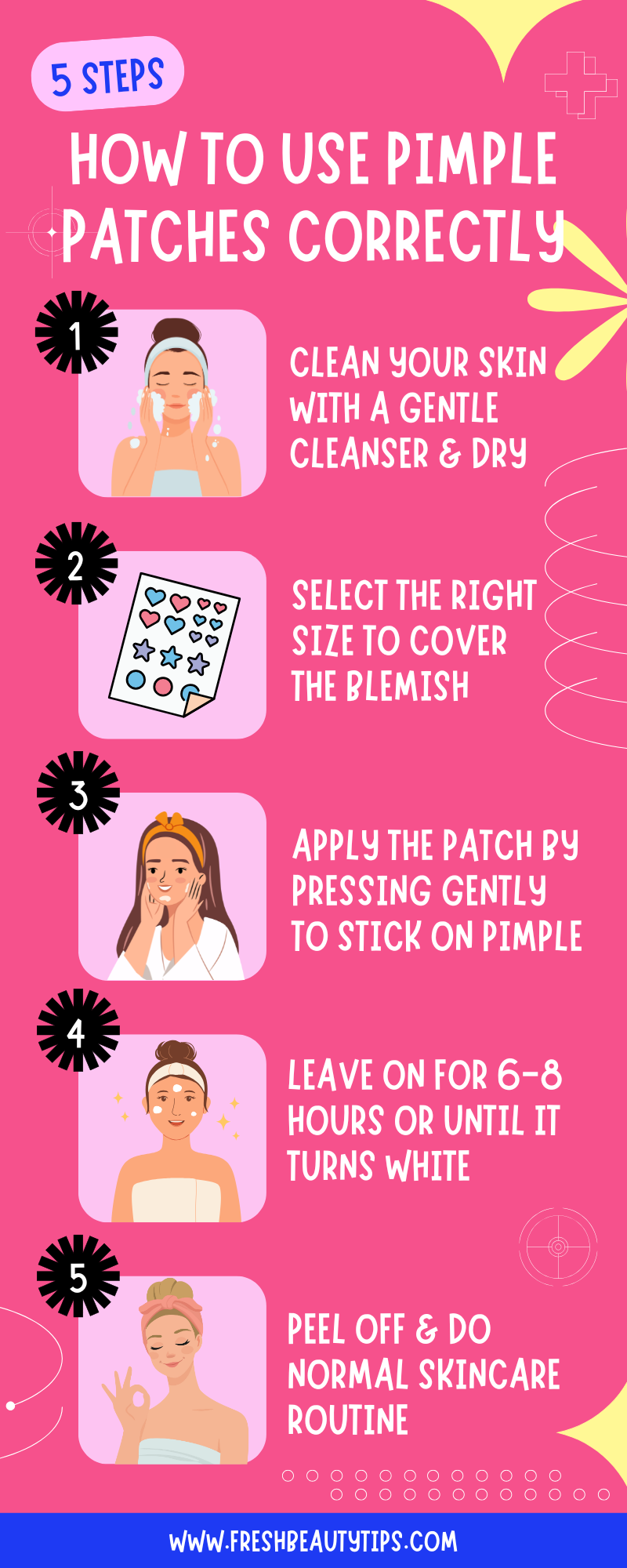
1. Clean your skin first
Wash your face gently with a mild cleanser. Make sure the pimple and surround area are completely dry. Your pimple patches won’t stick to damp skin or product residue.
2. Select the right size patch
Patches are made in different sizes, some are larger, others are smaller. Pick the one that best fits over the blemish.
3. Apply the patch carefully
Use clean hands or tweezers to cover the pimple completely. Press gently so the edges stick down.
4. Leave it on
Most patches work best in 6-8 hours or overnight. They turn white as the absorb fluid, so once the patch turns opaque, it is your cue to remove or replace it.
5. Keep it clean after removal
Once the patch is ready to be removed, gently peel it off, rinse your face and wipe off any residue. You can continue your normal skincare routine if the area feels okay.
3 Tips When Using a Pimple Patch
❌ DO NOT pop the pimple
Patches work best on intact pimples. They draw out excess fluid, so if you pop it there will be nothing for it to absorb.
🔁 Replace and repeat if necessary
For larger or very fluid pimples, swap the patch when it’s saturated. Leaving it on too long it can trap bacteria instead of helping absorb it. Never reuse a patch, they will only work once.
😴 Use at night
Patches stay better while you sleep since you’re less likely to pick at it or peel them off.
When NOT to Use a Pimple Patch
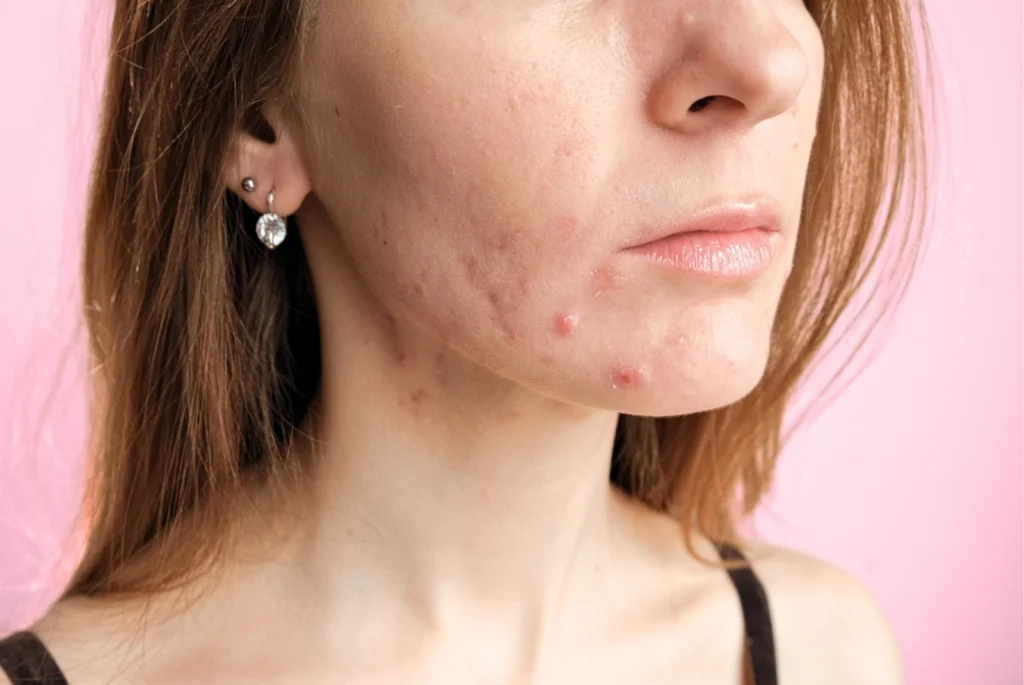
Just because you have a zit does not mean that you should automatically reach for a hydrocolloid patch. Acne is triggered by a number of factors, and understanding why your breakout occurs can help you decide if a pimple patch will be effective for your blemish.
Pimple patches are most effective on surface level acne, like whiteheads or small pustules. They are less effective for cystic or deep nodular pimples, which develop under the skin and contain inflammation rather than surface fluid. Using a patch on these deep lesions won’t reduce swelling or speed up healing, though it can still protect the skin, reduce irritation, and prevent picking, which supports faster recovery.
Avoid using hydrocolloid patches on certain skin:
| AREA TO AVOID | REASON |
|---|---|
| Open or broken skin | The patch won’t adhere properly and could trap bacteria, potentially worsening irritation. |
| Deep, inflamed cysts | These usually require prescription treatments rather than a surface patch. |
| Residue covered skin | Oils, moisturizers, or serums can prevent proper adhesion, reducing patch effectiveness. |
| Sensitive or allergic areas | Redness, itching, or discomfort is a sign to remove the patch immediately. |
Understanding which pimples respond best also helps you recognize when a hydrocolloid patch is actually working and when another treatment might be necessary.
How to Tell if the Pimple Patch is Working
Once you’ve determined that a hydrocolloid patch is appropriate for your blemish, here’s how to tell if it’s effectively working. Look for a combination of visual and behavioral indicators that show the patch is absorbing fluid and protecting the skin:
| SIGN | WHAT TO LOOK FOR |
|---|---|
| White or opaque patch | The patch absorbs pus and oil from the pimple, turning white or opaque. This a clear sign that the hydrocolloid patch is actively working. |
| Reduced swelling | After several hours (or overnight), the pimple should appear less inflamed, flatter, calmer, and not as red compared to untreated spots. |
| Less temptation to pick | Hydrocolloid patches act as a protective barrier, keeping your hands off the blemish, which prevents additional irritation and supports faster healing. |
| Healing speed | With proper application and adhesion, blemishes often look noticeably calmer within a day or two, demonstrating the patch’s effectiveness. |
Understanding why some pimples respond better than others helps set realistic expectations for results and guides you in choosing the right type of patch.
Why Some Pimples Respond Better to Patches than Others
Not all pimples respond the same to hydrocolloid patches for acne. The patches, or stickers, are most effective for surface level pimples with visible fluid. Deep or already healing pimples benefit primarily from protection, calming inflammation, and preventing picking, rather than flattening the blemish. Using patches strategically and consistently can accelerate healing, reduce redness, and improve overall recovery compared to leaving a blemish untreated.
Their effectiveness depends on pimple type, timing, size, and consistent use, and knowing this can help you maximize the benefits of hydrocolloid acne patches. The four biggest factors as to why a pimple patch may not work as well as you’d hoped:
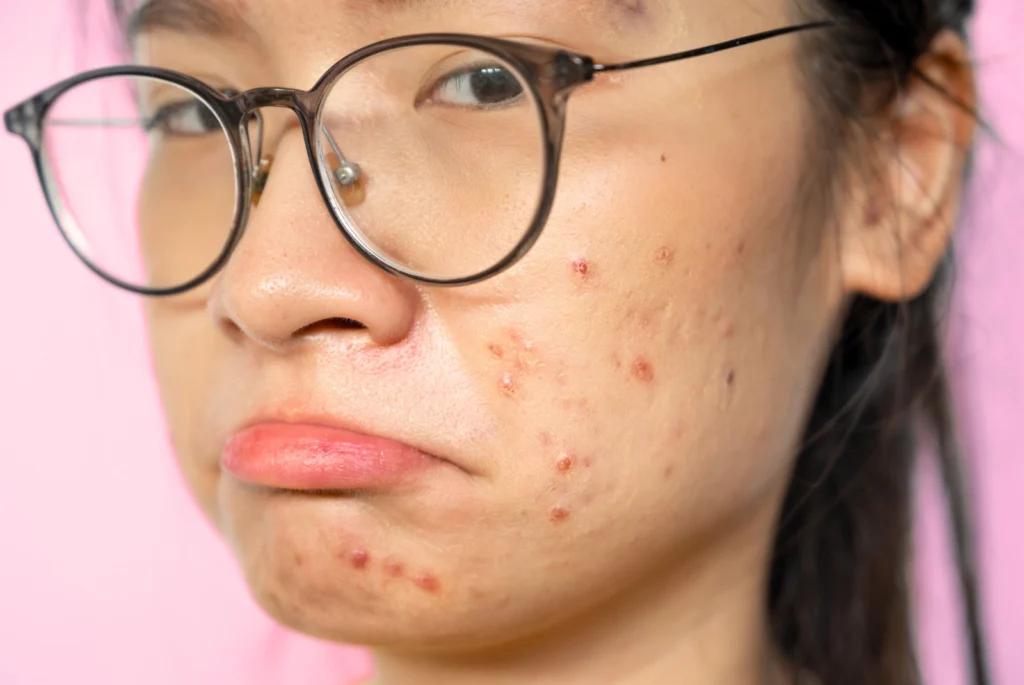
1. Pimple Type: You are covering the wrong kind of blemish
Hydrocolloid patches work best on whiteheads or pustules because they contain visible fluid that can be absorbed. For papule acne (red bumps without a head), patches can protect and calm from inflammation, but they won’t actively absorb fluid. For cystic acne, a patch won’t help in reducing the size because the fluid inside is too deep, but it can serve as protection from picking or friction. Learn about the 7 Types of Pimples, and if a patch is an effective treatment.
2. Timing of Application: You didn’t use it immediately
Applying a patch early during the formation of a whitehead maximizes hydrocolloid absorption. Patches on fully inflamed or nearly healed pimples primarily serve as a protective barrier, calming redness and reducing irritation.
3. Coverage Matters: You didn’t totally cover it
A patch should fully cover the blemish. If it’s too small or only partially adheres, it won’t absorb fluid effectively or flatten the spot. Some brands even offer extra large patches for bigger blemishes or multiple pimples at once.
4. Consistency: You didn’t use it for the recommended time
Leaving a patch on for the recommended 6–8 hours or overnight ensures optimal absorption. Removing it too soon interrupts the hydrocolloid’s action, reducing effectiveness.
FAQs About Pimple Patches For Blemishes and Acne
Do pimple patches actually work on cystic acne?
Pimple patches work best on surface level acne, like whiteheads or pustules, because hydrocolloid absorbs fluid and protects the skin. For cystic acne, which is deeper and inflamed under the skin, patches may not reduce swelling or fully heal the blemish, but they can still protect the area from friction and prevent picking, which helps minimize irritation. If your cystic acne is severe or recurring, consider consulting a dermatologist for targeted treatments alongside using patches.
Do pimple patches actually work on blind pimples?
Blind pimples, also called under the skin bumps, are inflamed and don’t have a visible head. Hydrocolloid pimple patches will not draw out pus from blind pimples, but they can reduce friction, prevent picking, and help calm redness. They are best used in combination with gentle skincare or medicated treatments for faster healing.
What is the difference between medicated and-non medicated pimple patches?
Medicated pimple patches contain active ingredients like salicylic acid or benzoyl peroxide to fight bacteria, reduce inflammation, and speed up healing. Non-medicated patches are hydrocolloid only, working by absorbing fluid and protecting the blemish from friction and picking. Knowing this difference helps you choose the right patch for your specific pimple type, whether it’s a whitehead, blind pimple, or inflamed spot.
What to do after you remove a pimple patch?
After removing a hydrocolloid patch, gently cleanse the area with a mild cleanser, then apply your usual skincare routine like toner, serum, or moisturizer. Avoid harsh scrubs or picking at the blemish. If the pimple still has visible fluid, you can apply a fresh patch for another 6–8 hours. Proper post patch care supports faster healing and less scarring.
Can I leave a pimple patch on for 24 hours?
No, most hydrocolloid pimple patches are designed to work for 6–8 hours (or overnight). Some ultra large or medical grade patches may last up to 24 hours, but check the manufacturer instructions. Leaving a patch on too long can reduce effectiveness or increase the risk of irritation. For the best results, follow the patch’s recommended wear time to maximize absorption and healing.
Should you pop a pimple before a pimple patch?
No! Popping a pimple before applying a hydrocolloid patch can introduce bacteria, increase inflammation, and slow healing. Patches work best on intact pimples or whiteheads, where they can absorb fluid, protect the area, and prevent picking. Let the patch do the work instead of manually extracting the blemish.
Does it matter what pimple patch you use?
Yes. The size, thickness, and ingredients of a patch all affect results. For surface level pimples, choose hydrocolloid only patches. For inflamed or stubborn pimples, consider medicated patches with acne fighting ingredients. Ensure the patch covers the entire blemish for maximum absorption, stays in place overnight, and is compatible with your skin type.
Do pimple patches work on hormonal acne?
In a way, yes. Pimple patches help with the visible, surface level blemishes caused by hormonal acne but cannot address the underlying hormonal triggers. Hydrocolloid patches will absorb fluid, reduce redness, and prevent picking, but long term management may require skincare, diet, or hormonal treatments recommended by a dermatologist.